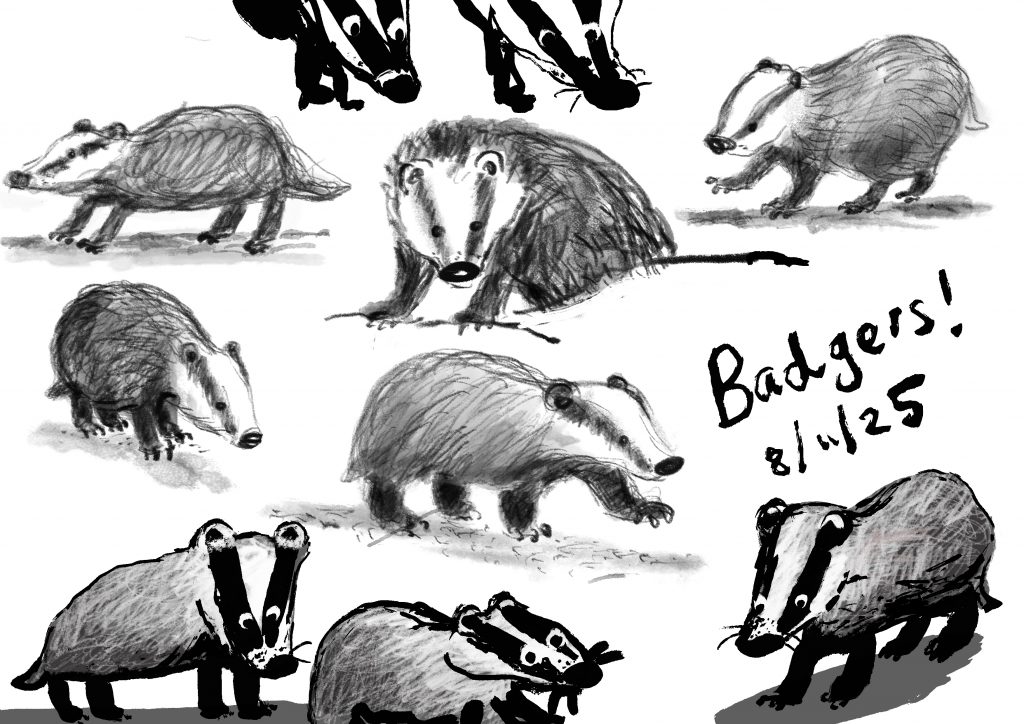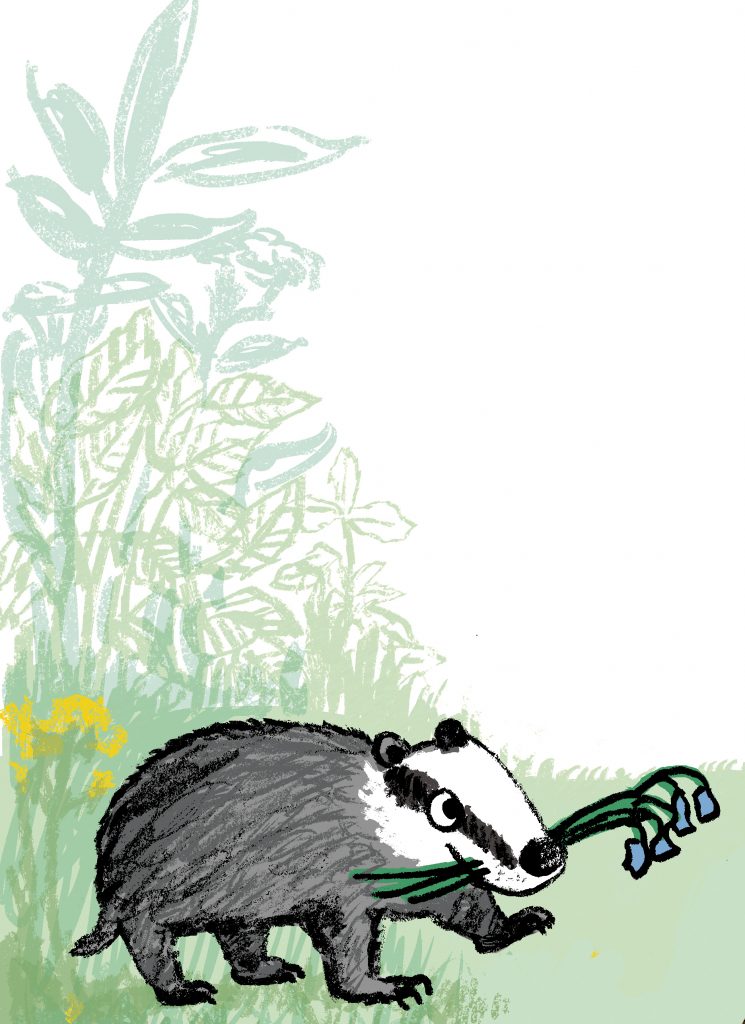
I feel blessed to have these beautiful creatures living at the back of our garden. The badger is Britain’s largest land predator, and we’re fortunate enough to share our space with them.
Many people ask, “Aren’t they a problem?” But considering the badgers were here first — their setts can often be hundreds of years old — perhaps the better question is, “Are we a problem for the badgers?”
We do our best to make sure the answer is no. In truth, we rarely see them.
We tend not to venture into that part of the garden at night, and while they occasionally dig holes in the lawn, it’s hardly a lawn in the traditional sense. It’s a patchwork of grasses, clover, daisies, dandelions and buttercups, with paths winding through it.
The badgers have their own paths too, which they use every night. We know where they are, so we’ve allowed the surrounding undergrowth to grow thick and wild with hawthorn, brambles, nettles and elder. I call them the badger motorways, and on many evenings you can hear the badgers charging along them.
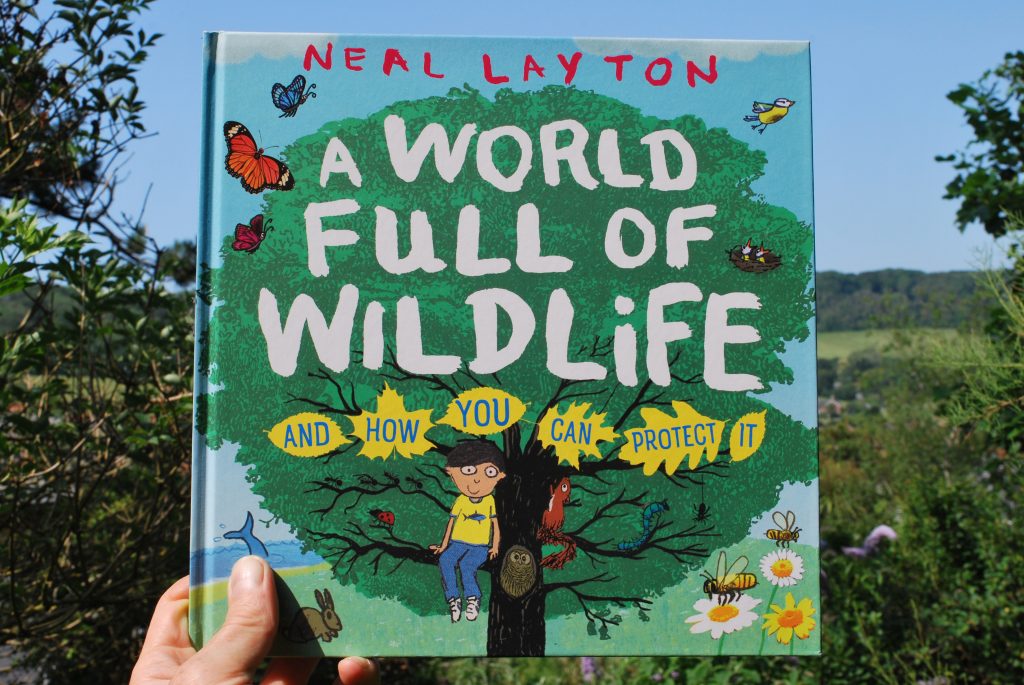
To borrow a quote from my book, A World Full of Wildlife:
“We need to make sure that creating a habitat for us humans to live in doesn’t damage the other living things on Earth.”
If the badgers have their habitat and we have ours, then we can coexist happily.
And as I said, I feel truly blessed to have these wonderful creatures living at the back of our garden.
For more information about badgers and how to help protect them, visit The Badger Trust.
‘A World Full of Wildlife’ is published by Wren and Rook.
The drawings are preparatory work for a new book with poet James Carter, publishing with Otter Barry Books.